
Research
Below is an introduction of my research by topics. You can find my published papers and preprints on my Google Scholar page or a broader list of research projects in my CV. For research in progress, † denotes lead-authored projects.
▶ Why We Became Who We Are
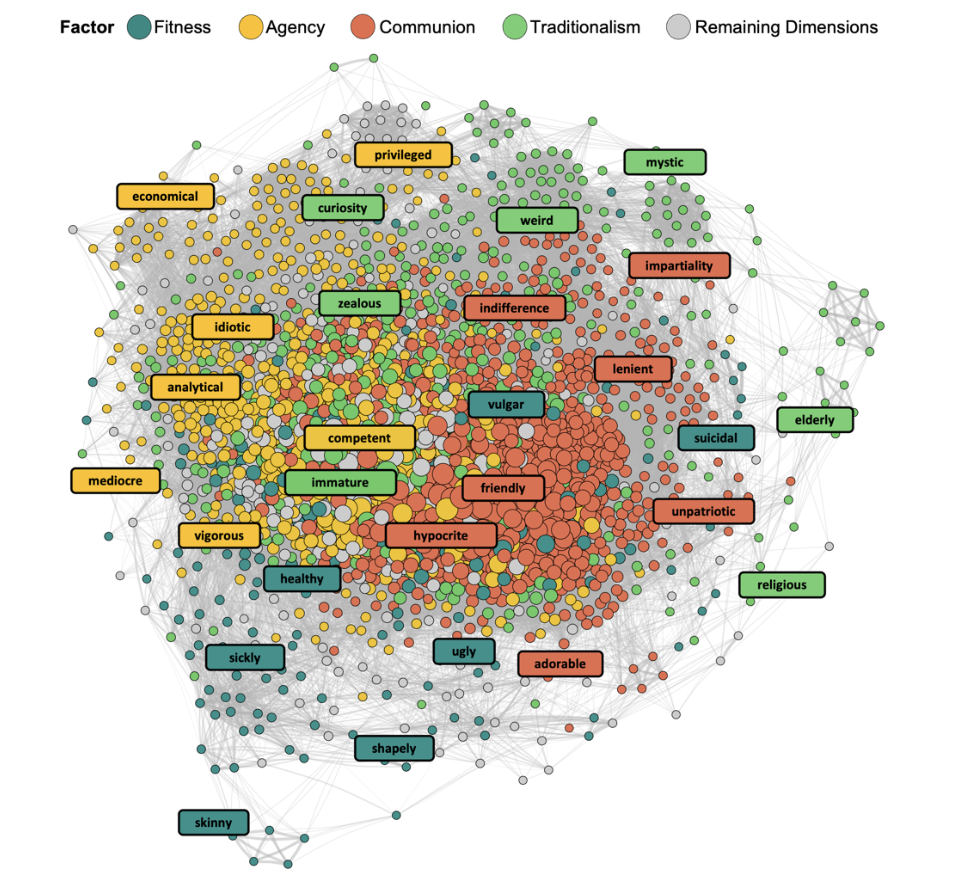
The Structure and History of English Words that Describe People
Using large language models and human ratings from 3,070 English speakers, we map 2,847 trait words and identify four broad dimensions—Fitness, Agency, Communion, and Traditionalism (FACT)—that characterize trait language. These dimensions differ in semantic coherence, valence, and historical trajectories (e.g., Communion converging, Agency diverging), indicating that trait language evolves adaptively with social life—supporting interpersonal description and evaluation as cultural ecologies change.
Liu, Y., Charlesworth, T., Koch, A., Luttrell, A., & Jackson, J. (2026). The Structure and History of English Words that Describe People. Journal of Personality and Social Psychology: Personality Processes and Individual Differences.
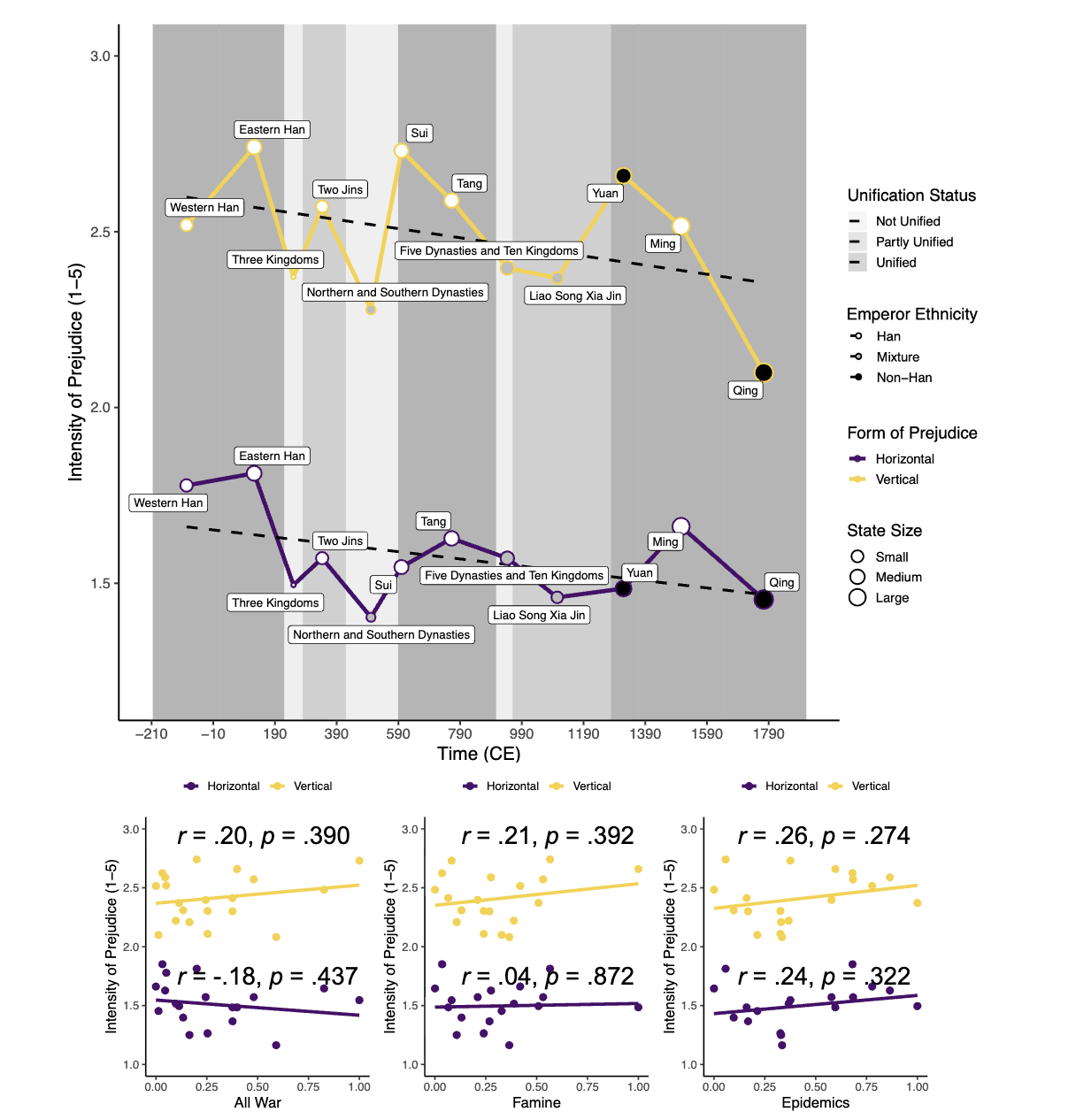
Prejudice tied to state centralization in historical societies
Across 389 ethnographies from 90 societies and centuries of Chinese historical records (206 BCE–1911 CE), we show that prejudice rises with state centralization—but not with environmental threat, pathogens, or warfare. Horizontal (group dislike) and vertical (superiority) prejudice both intensify under centralized governance and recede when governance decentralizes, suggesting that prejudice co-evolves with social structure rather than reflecting fixed human nature.
Dillion, D., Liu, Y., Chen, Y., Watts, J., Zhao, C., Baral, S., Bucker, W., Atari, M., Kteily, N., & Jackson, J. (under review). Prejudice tied to state centralization in historical societies. Nature Communications.
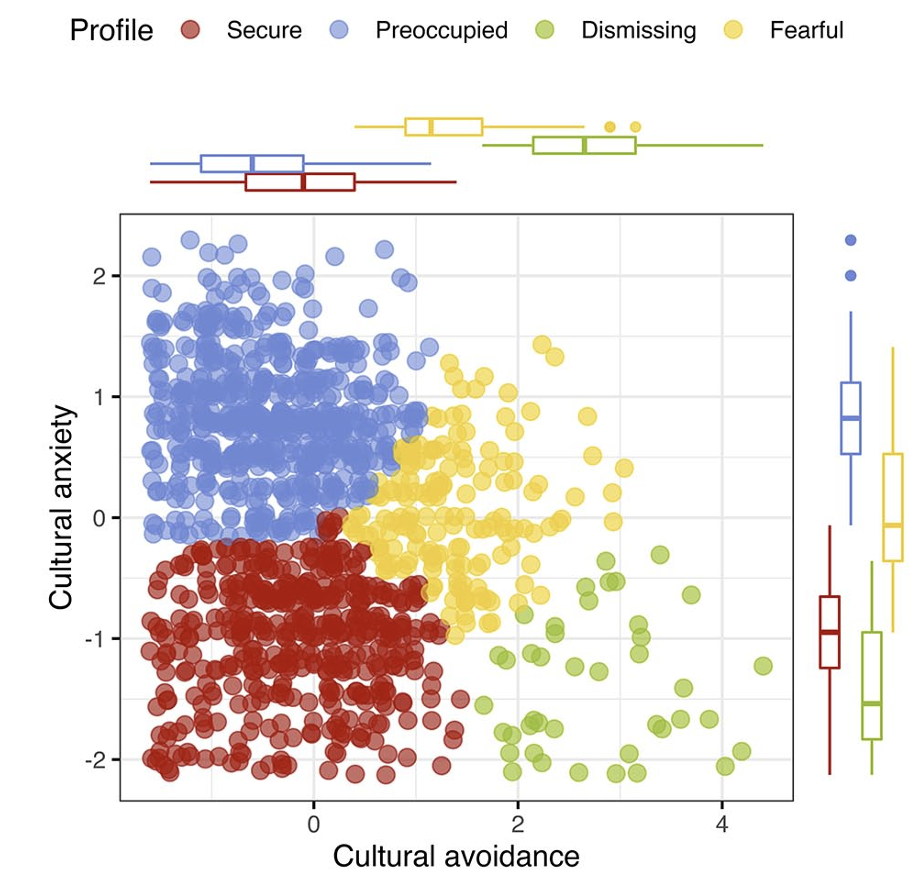
The profiles, predictors, and intergroup outcomes of cultural attachment
We introduce cultural attachment styles—secure, preoccupied, dismissing, and fearful—as socio-psychological adaptations shaped by societal context, interpersonal history, and individual differences. Across two studies (n₁=328; n₂=1,317), secure cultural attachment predicts less out-group threat, more identity inclusiveness, lower bias, more intergroup contact, and better psychological functioning—independent of general/place attachment—clarifying pathways by which cultures adapt to globalization.
Liu, Y., Hou, Y., & Hong, Y.-y. (2025). The profiles, predictors, and intergroup outcomes of cultural attachment. Personality and Social Psychology Bulletin.
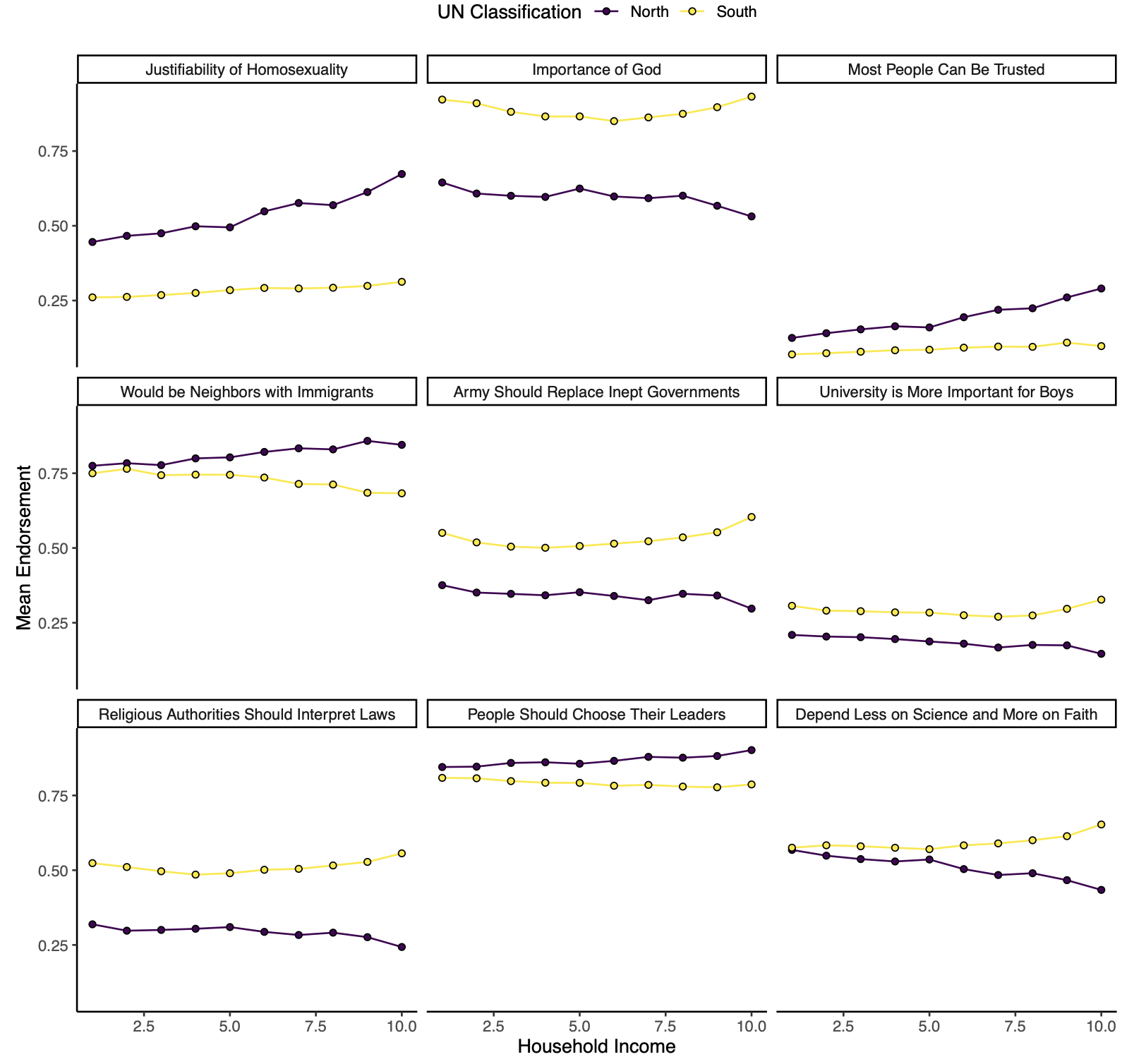
Cultural variation in values across income groups
This working paper examines whether income changes the degree to which people reflect local cultural norms. Using global and U.S. regional datasets, we study whether higher-income groups converge toward a common set of values or become more differentiated across cultural contexts.
(With Medvedev, D., Talhelm, T., & Jackson, J.)
Available upon request
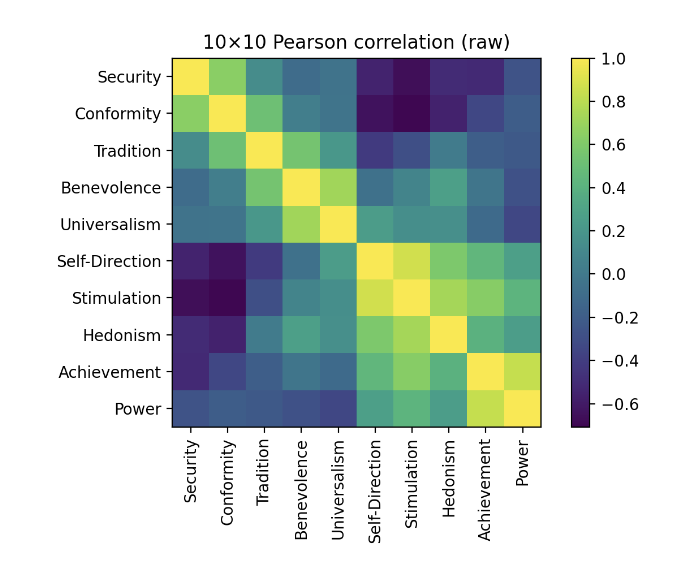
Scaling cross-national measurement of political values in parliamentary speeches using large language models
We are developing an LLM-based framework for annotating political values in parliamentary speeches across countries. The project evaluates whether major theories of values can be integrated into a scalable approach for studying how elite value expression varies across societies and over time.
(With Zhang, H., Bai, R., & Jackson, J.)
Available upon request
▶ When Evolution Misfires
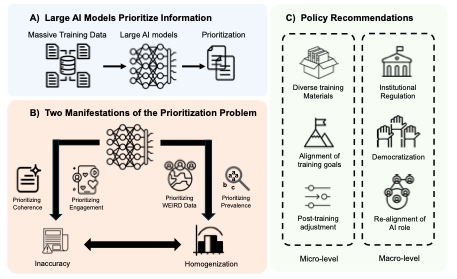
Large AI models have a prioritization problem: Policy implications and solutions
Large AI models must prioritize some information over others in training, yet optimization goals often misalign with the common good, creating a prioritization problem. This bias—favoring engagement over accuracy or dominant cultural voices over diversity—can distort collective knowledge and cultural evolution, but can be mitigated through improved data, objectives, and institutional safeguards.
Jackson, J.*, Liu, Y.*, Wang, Z., & Brady, W. (2025). Large AI models have a prioritization problem: Policy implications and solutions. Policy Insights from the Behavioral and Brain Sciences.
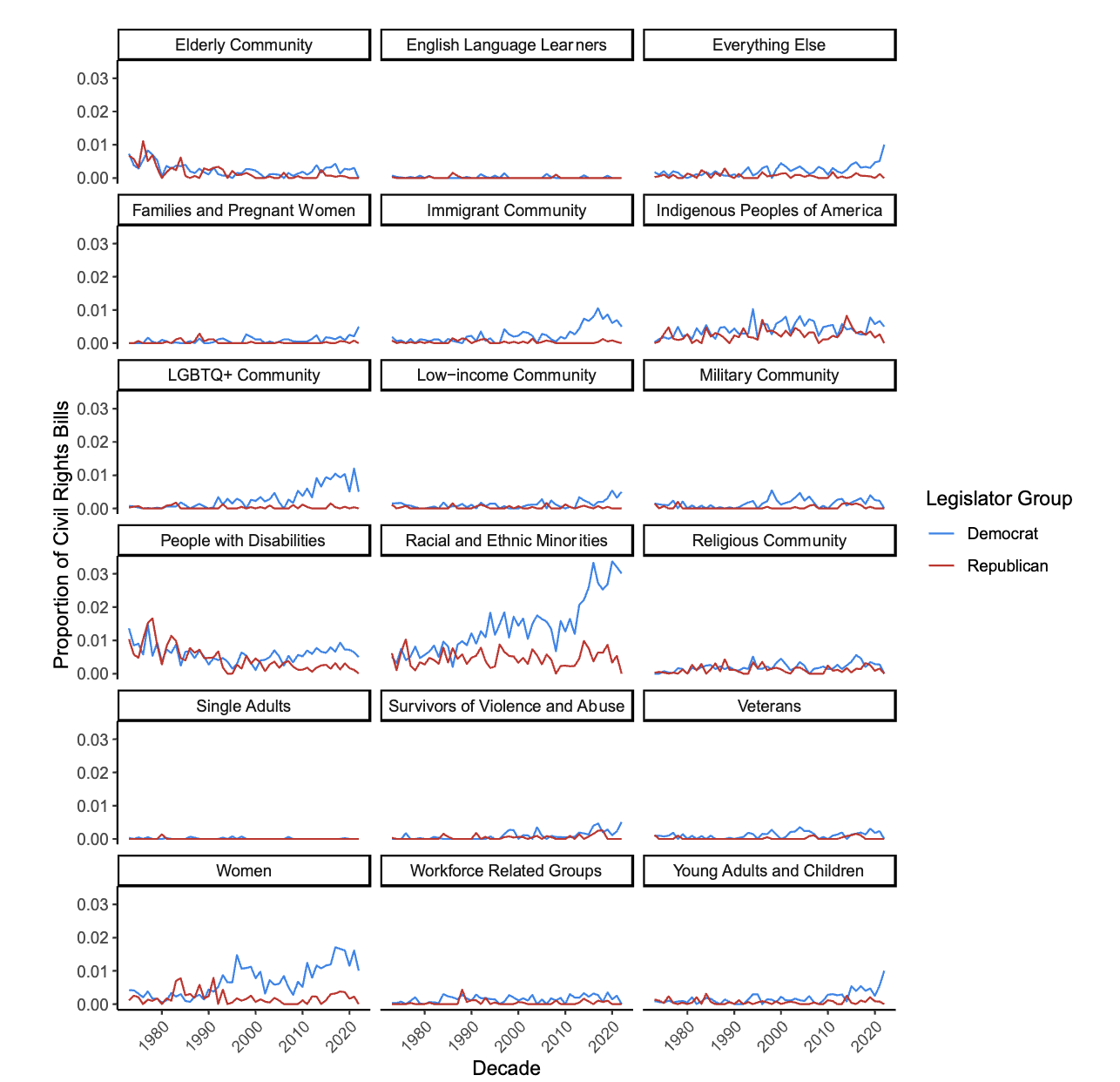
The widening partisan gap in legislative support for civil rights in the United States
Analyzing six decades of U.S. bill language, “civil rights” becomes both more common and more party-polarized, with accelerations in the early 1990s and mid-2010s. As civil-rights issues (race, gender, LGBTQ+) tighten their coupling to party identity—especially amid Black Lives Matter—legislative agendas encode issue polarization, creating conditions for institutional conflict and policy malfunction.
Jackson, J. C., Liu, Y., & Kteily, N. S. (2026). The widening partisan gap in legislative support for civil rights in the United States. Nature Communications.
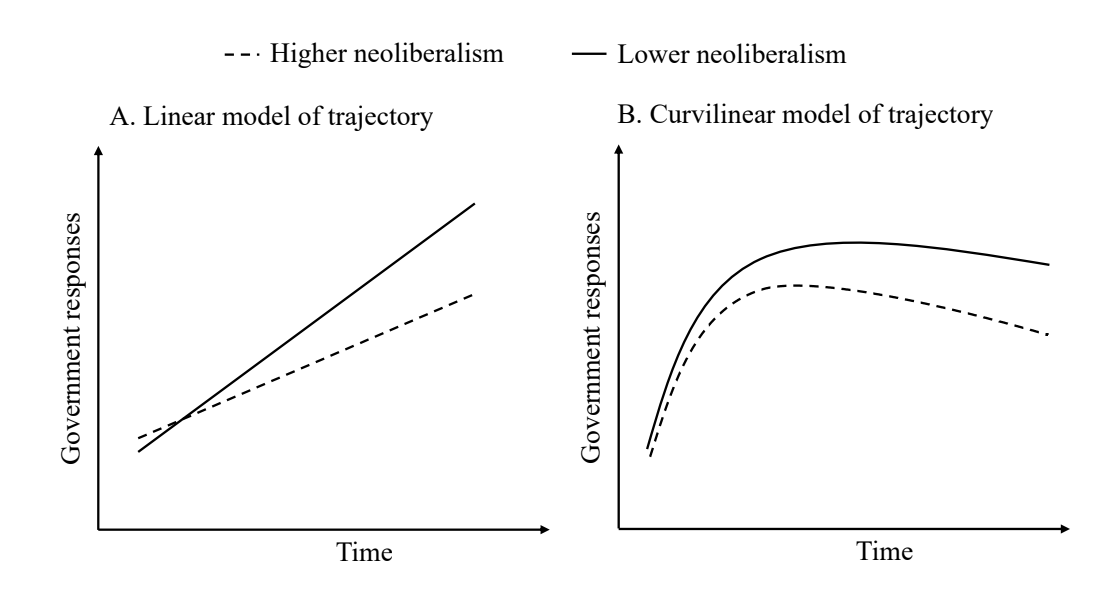
Neoliberalism and governmental and individual responses to COVID-19
A cultural tradition of knowledge—neoliberalism (free markets, self-governance)—shaped societal responses to COVID-19. Across 100+ countries, higher national neoliberalism predicted weaker and shorter government containment and lower individual compliance, revealing a cultural-evolutionary mismatch between market-oriented values and public-goods coordination.
Liu, Y.*, Wu, Z.*, Wang, Y., Dong, Z., Sun, Z., & Gan, Y. (2024). Neoliberalism and governmental and individual responses to the COVID-19 Pandemic: A cross-national analysis. Political Psychology, 45(2), 363–382.
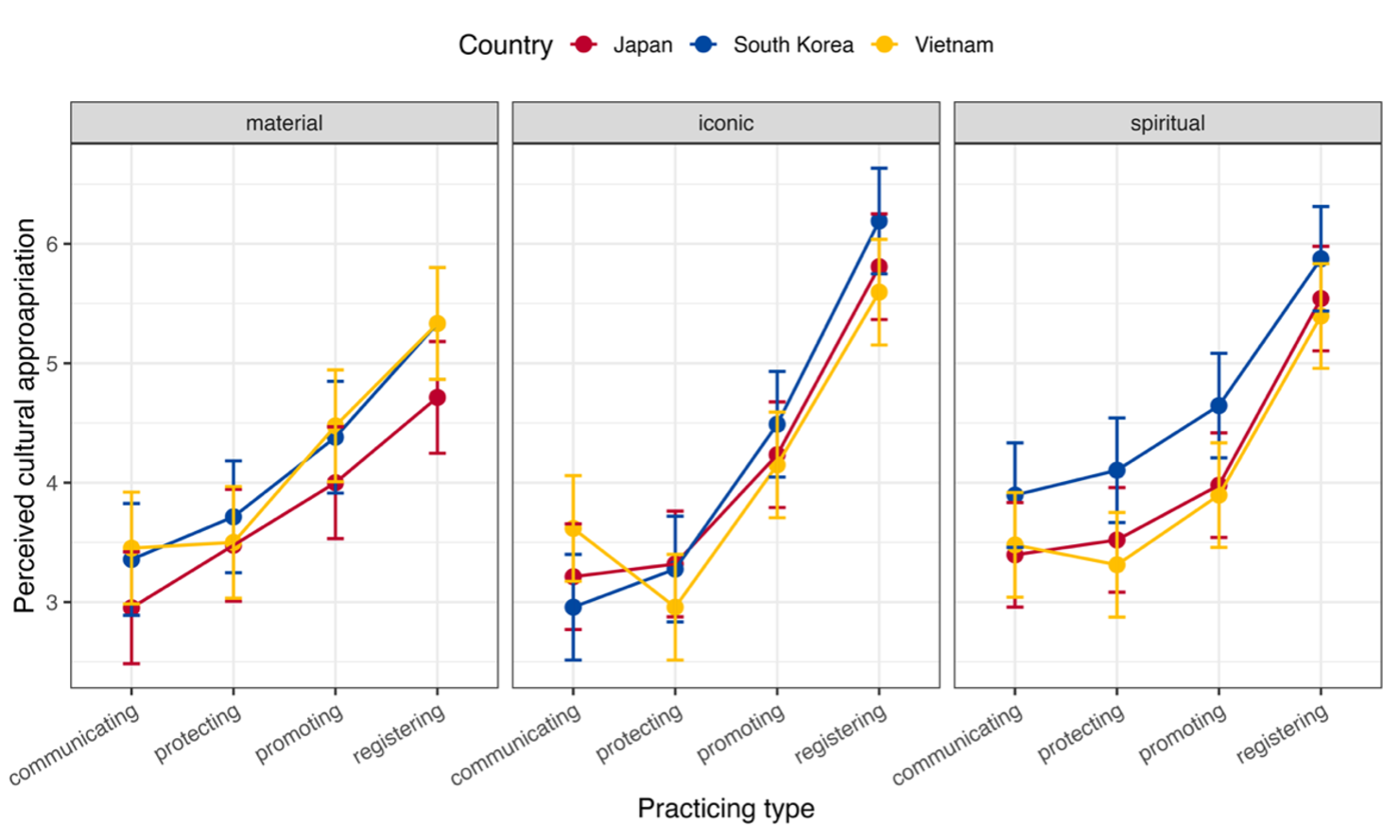
Exclusive cultural “legacy”: Cultural essentialism increases derogation of shared-culture use
Across four studies in East Asian contexts (N=3,371), cultural essentialism—the belief that culture is inherent, stable, and exclusive—leads people to derogate outgroups who engage with shared cultural practices, via collective psychological ownership threat and especially when outgroups are culturally similar. These beliefs shape attitudes to cultural exchange, influencing the evolutionary dynamics of openness vs. closure.
Liu, Y., Sun, Z., Hu, Z., Wang, Y., Wang, Q., Hou, Y., & Hong, Y.-y. (submitted). Exclusive cultural “legacy”: Cultural essentialism increases derogation of outgroup’s use of shared culture.
▶ How We Can Evolve Better
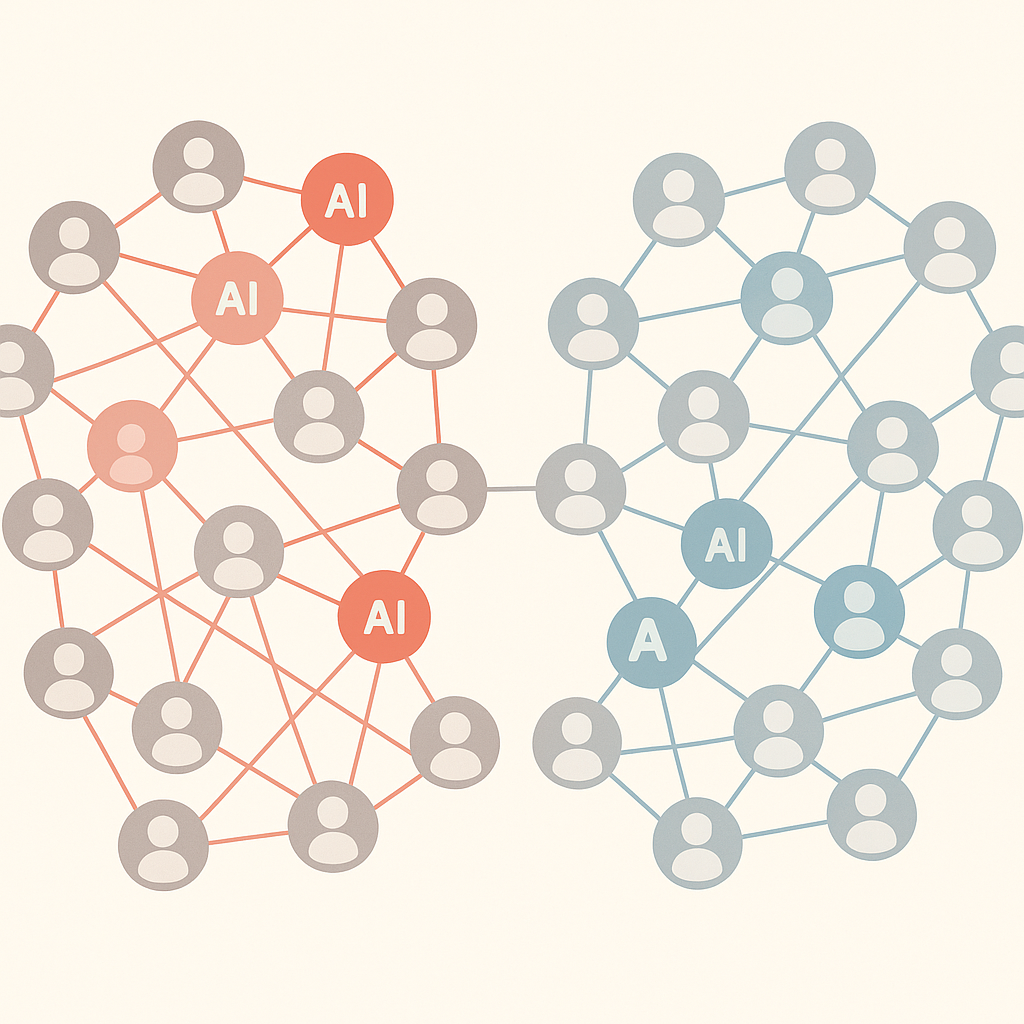
Depolarization in human–AI hybrid networks
We are conducting a human–AI hybrid social network experiment to test whether fact-sensitive AI agents—embedded as trusted in-group partners—can promote belief updating and depolarization. Building on complex-contagion theory, the planned analyses examine how consistent, evidence-based reinforcement spreads across issues such as guns, climate, and immigration.
(With Jackson, J., Hu, X., & Chen, Y.) †
Available upon request
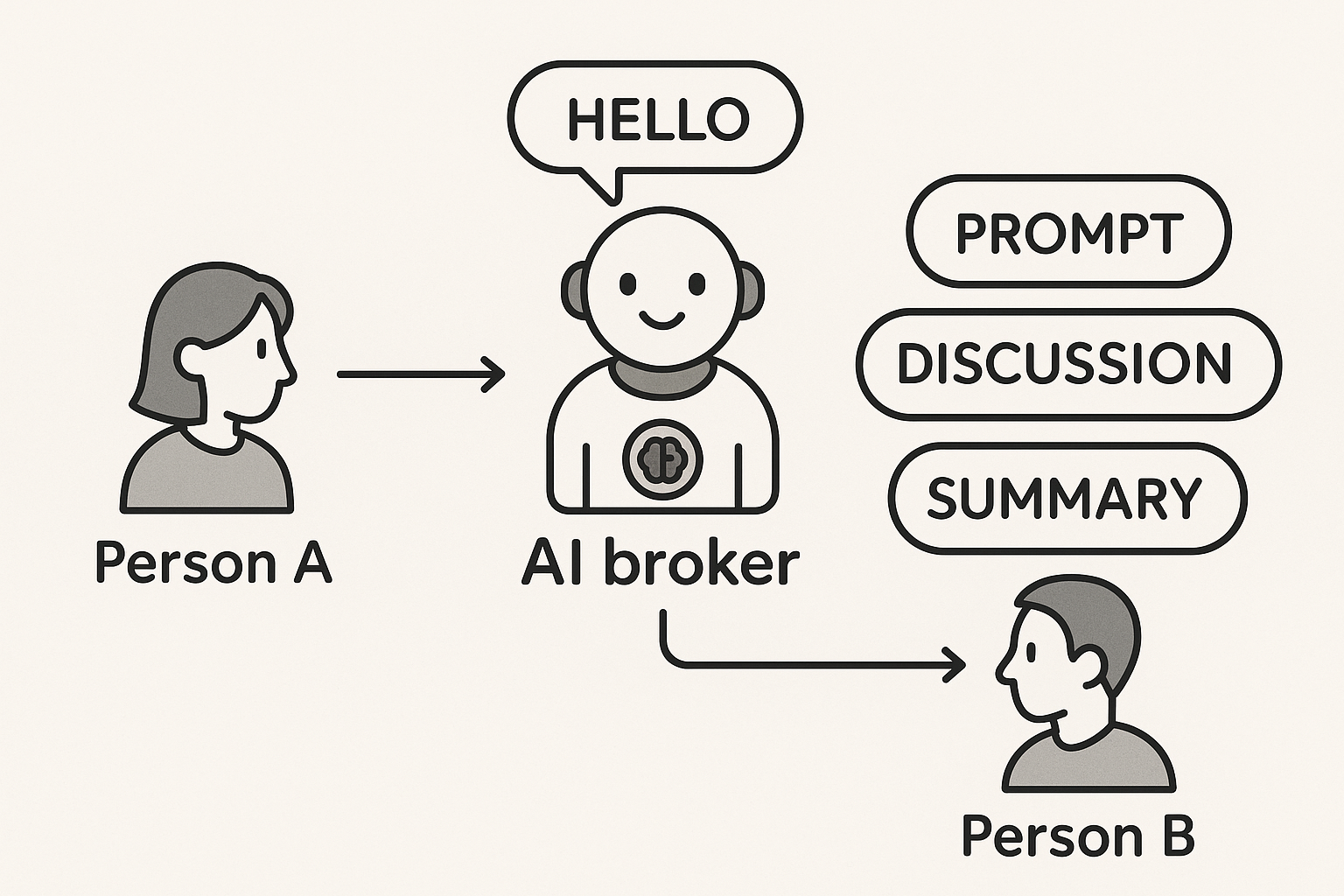
AI brokerage and human connection
We are testing whether AI agents can serve as brokers—building rapport, matching partners, and offering lightweight conversational scaffolding—to reduce undersociality and communication friction. The study examines whether this design can support more frequent and higher-quality human interactions without encouraging over-reliance on AI companionship.
(With Jackson, J., Hu, X., & Chen, Y.) †
Available upon request

SocAIty: A platform for studying social and cultural evolution in human–AI hybrid networks
We are developing a framework for human–AI hybrid networks across state, structure, and process layers, specifying AI roles as participants, brokers, moderators, or analysts. SocAIty is intended to support real-time, multi-stage network experiments on how AI integration may reshape communication, coordination, learning, and norm dynamics.
(With Hu, X., Li, Y., Li, X., & Chen, Y.)
Available upon request
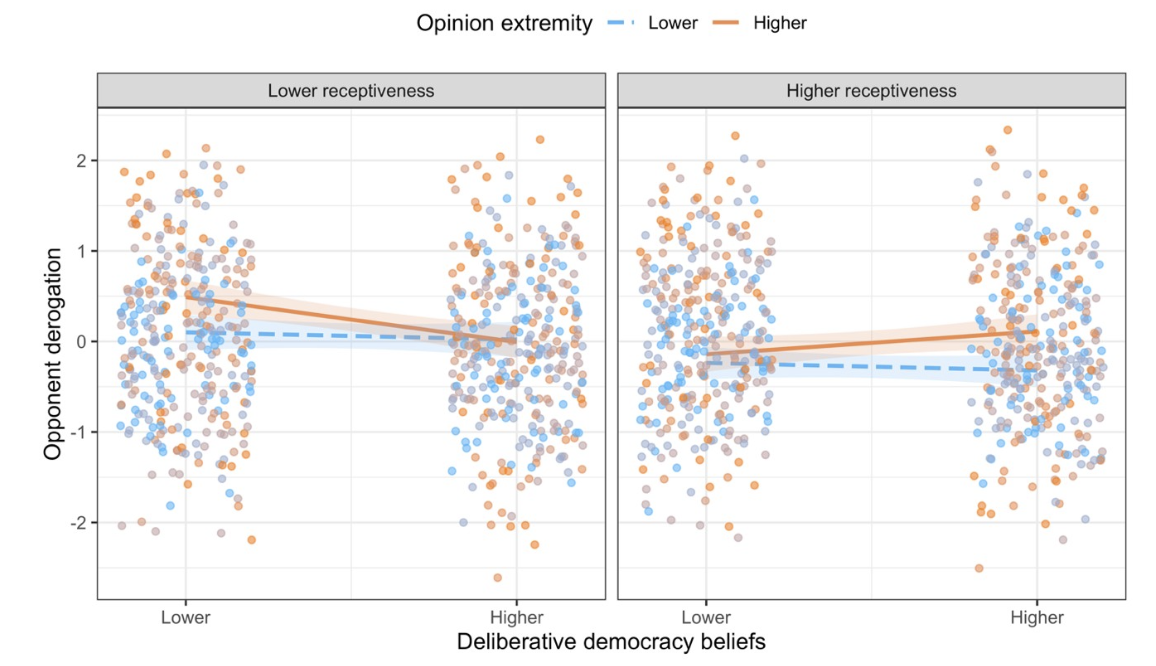
Redefining (a good) democracy amid affective polarization
We show that citizens’ lay beliefs about deliberative democracy matter: across four studies in China (N=1,634), stronger endorsement predicts less outgroup derogation on public issues, with effects attenuated at high opinion extremity and partly mediated by receptiveness to opposing views. Shaping public beliefs offers a lever to improve group processes and inclusive democratic outcomes.
Liu, Y.*, Wang, K.*, & Hou, Y. (R&R). Redefining (a good) democracy amid the crisis of affective polarization: Lay beliefs of deliberative democracy can mitigate opponent derogation. Personality and Social Psychology Bulletin.